When a chimney starts leaking, one of the first questions homeowners ask is:
“Do I call a roofer or a mason?”
It’s a fair question, and one that often leads to confusion, delayed repairs, or temporary fixes that don’t last. In reality, chimney leaks are rarely just one issue. Many leaks involve both roofing and masonry components, and identifying the true source is the key to fixing the problem correctly.
Here’s how to tell whether your chimney leak is a masonry problem, a roofing problem, or a combination of both.
Why Chimney Leaks Are Often Misdiagnosed
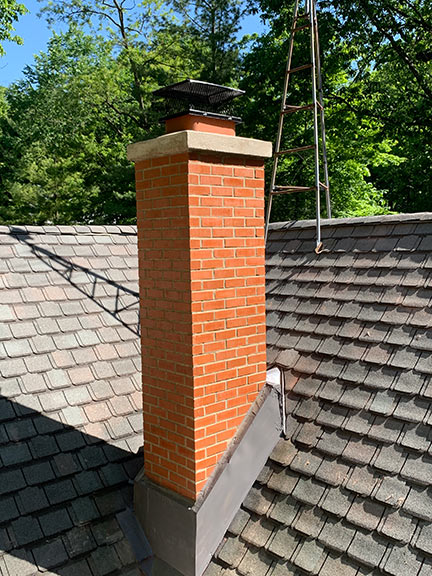
Chimneys are unique because they pass through the roof and connect multiple building systems. At that junction, roofing materials, metal flashing, brick, mortar, and sealants all meet and all age differently.
Because water often shows up inside the home far from where it enters, chimney leaks are commonly misdiagnosed. Homeowners may repair shingles or apply sealant, only to find the leak returns months later.
The truth is that chimney leaks often originate where roofing and masonry intersect, not in one system alone.
.
When a Chimney Leak is a Roofing Problem

Some chimney leaks are primarily caused by roofing-related issues. These typically involve components designed to direct water away from the chimney.
COMMON ROOFING-RELATED CAUSES INCLUDE:
-
Damaged or improperly installed chimney flashing
-
Loose or missing shingles near the chimney
-
Failed sealant where flashing meets the roof
-
Roofing materials that have shifted or deteriorated
If the chimney structure itself is sound, a qualified roofer may be able to correct the issue. However, roofing repairs alone won’t solve problems caused by deteriorating brick or mortar.
.
When a Chimney Leak is a Masonry Problem
 Many chimney leaks are caused by failing masonry, even if the roof appears intact. Brick and mortar are porous by nature, and once they break down, water can enter the structure and travel downward.
MASONRY-RELATED CHIMNEY LEAK CAUSES INCLUDE:
-
Cracked, missing, or deteriorated mortar joints
-
Brick spalling caused by moisture and freeze-thaw cycles
-
Chimney separation from the house
-
Cracked or damaged chimney crowns
-
Missing or improperly sized chimney caps
Roofing repairs alone won’t stop the leak in these cases. The chimney itself must be repaired to restore proper water resistance and structural stability.
.
The Roofline: Where Most Chimney Leaks Begin
In many Illinois homes, chimney leaks most often begin at the roofline. This is the point where the chimney passes through the roof. This area is exposed to constant stress from temperature changes, moisture, snow buildup, and natural movement between different building materials. Because roofing materials, flashing, brick, and mortar all expand and contract at different rates, small gaps can develop over time that allow water to enter the structure.
As this stress continues, it can lead to gaps between flashing and masonry, mortar deterioration near the roofline, structural separation, and repeated water intrusion. Since the visible signs of a leak may show up inside the home or lower on the chimney, the roofline itself is frequently overlooked during inspections. Identifying problems at this transition point is often the key to stopping chimney leaks for good.
.
Why Temporary Fixes Don’t Last
Caulking, roof tar, and patch repairs may slow water intrusion, but they don’t address deeper issues such as internal mortar damage, structural movement, or improper flashing integration.
Without identifying the true source of the leak, temporary fixes often fail within a season or two—sometimes making the problem worse by trapping moisture inside the masonry.
A lasting repair requires understanding how water is entering, not just where it’s showing up.
When Roofing and Masonry Repairs Are Both Needed
We’ve seen that in most cases, the most effective solution involves coordination between roofing and masonry repairs rather than addressing only one system. This may include repairing deteriorated mortar joints before installing new flashing, correcting chimney separation prior to sealing roof connections, or replacing flashing after masonry work is completed. Addressing both systems together helps prevent repeat leaks and ensures the repair lasts longer by resolving the underlying causes instead of just the visible symptoms.
Get the Right Diagnosis Before You Repair
If you’re asking whether your chimney leak is a roofing problem or a masonry problem, the most important step is a proper inspection. Treating the wrong issue can lead to recurring leaks, interior damage, and unnecessary expense.
At Chimney Repairs & Masonry Construction we specialize in identifying the true source of the chimney leaks and providing repairs that last. throughout Barrington, Algonquin, Lake Forest, Bull Valley, and Crystal Lake.
.