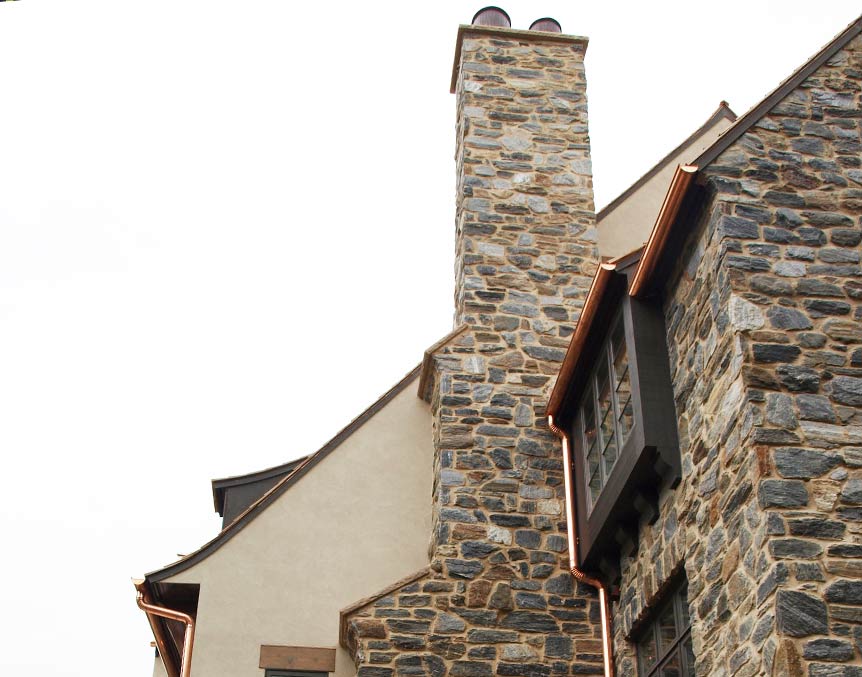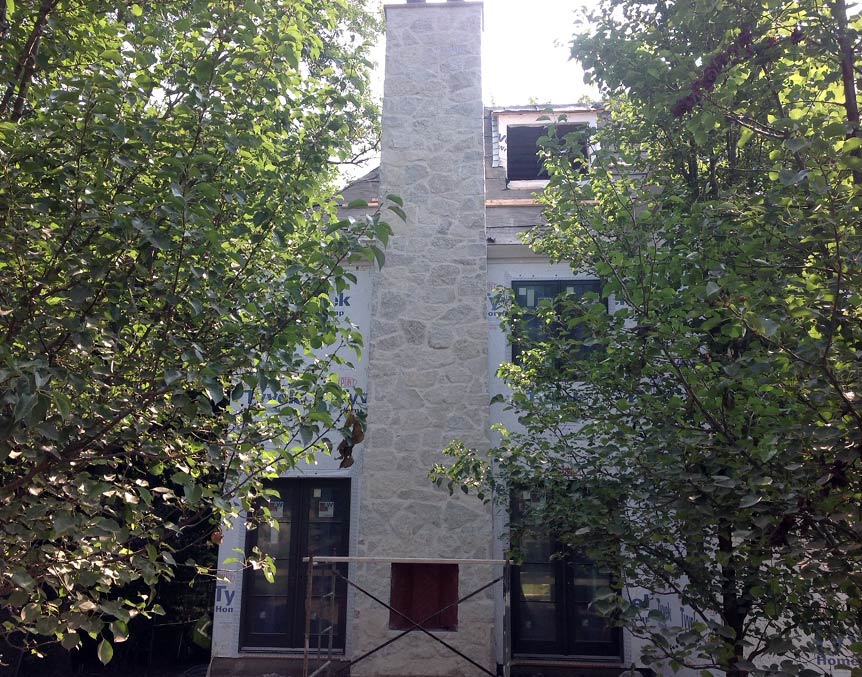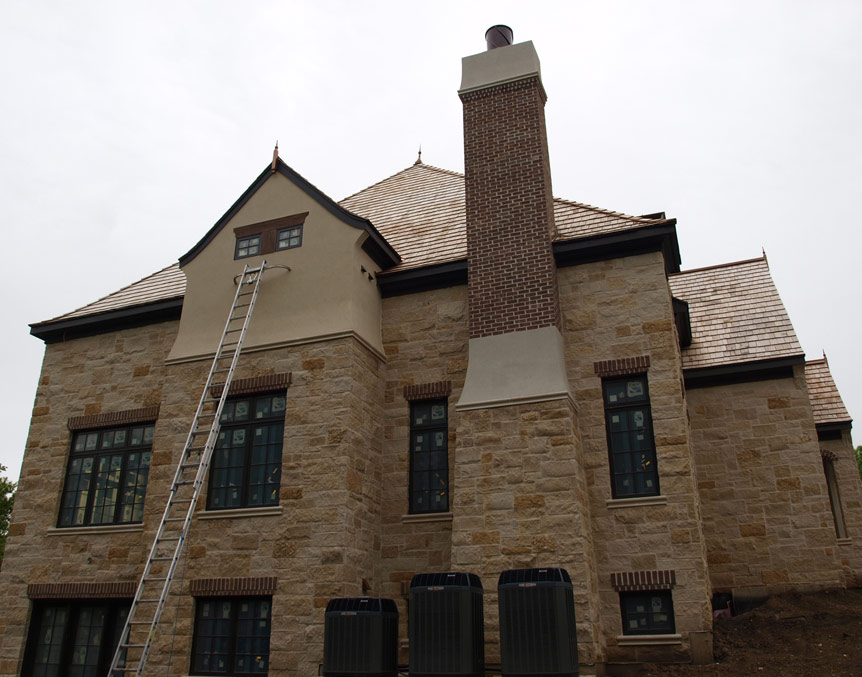

If you’ve noticed water stains near your ceiling, damp bricks, or leaks after a heavy rain, you may be wondering: Why is my chimney leaking near the roof? In many Illinois homes, chimney problems don’t start at the fireplace or inside the flue. They begin at the roofline, where the chimney meets the roof.
Chimney Repairs and Masonry Construction in Illinois has repaired thousands of chimneys and this transition point is one of the most vulnerable areas of your home’s exterior. Understanding why issues start here can help you catch damage early and avoid costly repairs later.
The Roofline Is the Weakest Point of a Chimney
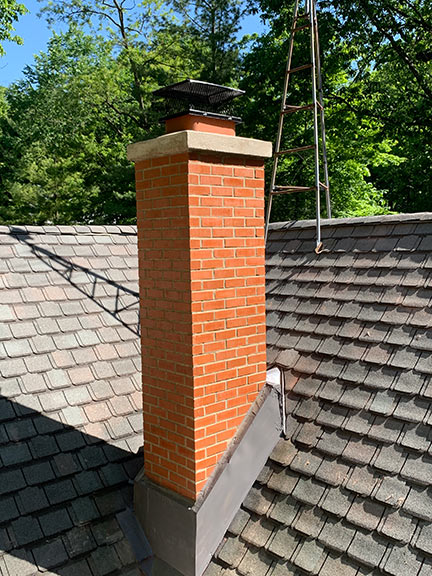
The roofline is where multiple building materials come together: masonry, roofing materials, flashing, and sealants. Each of these materials expands and contracts at different rates due to temperature changes, moisture, and age.
In climates like northern Illinois, repeated freeze–thaw cycles, heavy rain, snow, and ice accelerate wear at this junction. Over time, small gaps form, allowing water to enter the structure.
Once water finds a path in, it rarely stays localized. Moisture can travel down the chimney, behind walls, and into ceilings or attics before visible damage appears.
Common Causes of Chimney Leaks Near the Roofline?

1) Chimney Flashing Failure
Flashing is the metal barrier that seals the gap between the chimney and the roof. It’s one of the most common sources of leaks.
FLASHING PROBLEMS OCCUR WHEN:
-
Flashing was improperly installed
-
Sealants have cracked or dried out
-
Roofing repairs disturbed the flashing
-
Rust or corrosion has weakened the metal
When flashing fails, water flows directly into the roof structure and along the chimney walls.

2) Chimney Separation From the House
A chimney pulling away from the home is a serious issue that often begins at the roofline.
THIS SEPARATION CAN BE CAUSED BY:
-
Foundation settling
-
Moisture-damaged mortar joints
-
Freeze–thaw expansion inside the masonry
-
Poor original construction or support
When flashing fails, water flows directly into the roof structure and along the chimney walls.

3) Deteriorated Mortar Joints
Mortar is designed to wear before brick does, but once it breaks down, it becomes a direct entry point for moisture.
AT THE ROOFLINE, MORTAR DETERIORATION IS COMMON DUE TO:
-
Constant exposure to water runoff
-
Ice buildup in winter
-
Temperature extremes
Cracked or missing mortar allows water to seep behind the brick, where it can freeze, expand, and cause further damage.

4) Chimney Crown or Cap Issues
While not part of the roofline itself, a damaged chimney crown or missing cap often worsens roofline leaks. When water enters from above, it travels downward and exits at weak points, frequently near the roof. This makes it appear as though the leak started there, when in reality multiple failures are involved.
Why Roofline Chimney Leaks Are Often Misdiagnosed
Many homeowners assume a chimney leak is strictly a roofing issue—or, in some cases, assume it’s only a masonry problem. In reality, chimney leaks near the roofline often involve a combination of both roofing and masonry components working together. While temporary fixes such as caulking or roof tar may slow water intrusion for a short time, they fail to address deeper issues like structural separation, internal mortar deterioration, failing masonry joints, or improper flashing integration. Without a thorough masonry inspection that looks beyond surface symptoms, these leaks almost always return and often cause more extensive damage than the original problem.
Why Early Repairs Matter
Roofline chimney problems rarely stay small. Once moisture enters the structure, it can spread quickly and lead to interior water damage, mold growth, brick spalling, and even structural instability. What may start as a minor leak can eventually require extensive and expensive repairs if left unaddressed. Taking care of chimney issues early often allows for targeted masonry repair or flashing correction, rather than a full chimney rebuild, saving both time and cost in the long run.
Professional Chimney Repair Makes the Difference
At Chimney Repairs & Masonry Construction, we regularly inspect and repair chimneys where problems begin at the roofline. Our approach looks beyond surface symptoms to identify the true source of the leak.
We serve Barrington, Algonquin, Lake Forest, Bull Valley, Crystal Lake and other surrounding areas and specialize in:
.
When to Call a Masonry Expert
If you’re asking:
“Why is my chimney leaking near the roof?”
“Is my chimney separating from the house?”
“Is this a roof problem or a masonry problem?”
It’s time for a professional inspection. Early evaluation can prevent small issues from turning into major structural repairs.
.